
Why Your Choice of Natural Sweetener for Smoothies Actually Matters
The best natural sweetener for smoothies depends on your health goals, but here are the top options ranked for most people:
- Ripe banana – whole-food sweetness, fiber, potassium, zero added sugar
- Medjool dates – rich caramel flavor, 8g fiber per serving, antioxidants
- Raw honey – antioxidants, antimicrobial properties, GI ~50-60
- Pure maple syrup – minerals like manganese and zinc, GI ~54
- Stevia – zero calories, GI of 0, ideal for diabetics and keto
- Monk fruit – zero calories, GI of 0, cleaner taste than stevia
- Agave nectar – lower GI than sugar, rich in B vitamins, vegan-friendly
Most people reach for a smoothie because they want something healthy. But then they quietly sweeten it with refined sugar, flavored syrups, or mystery powders — and undo a lot of that good work.
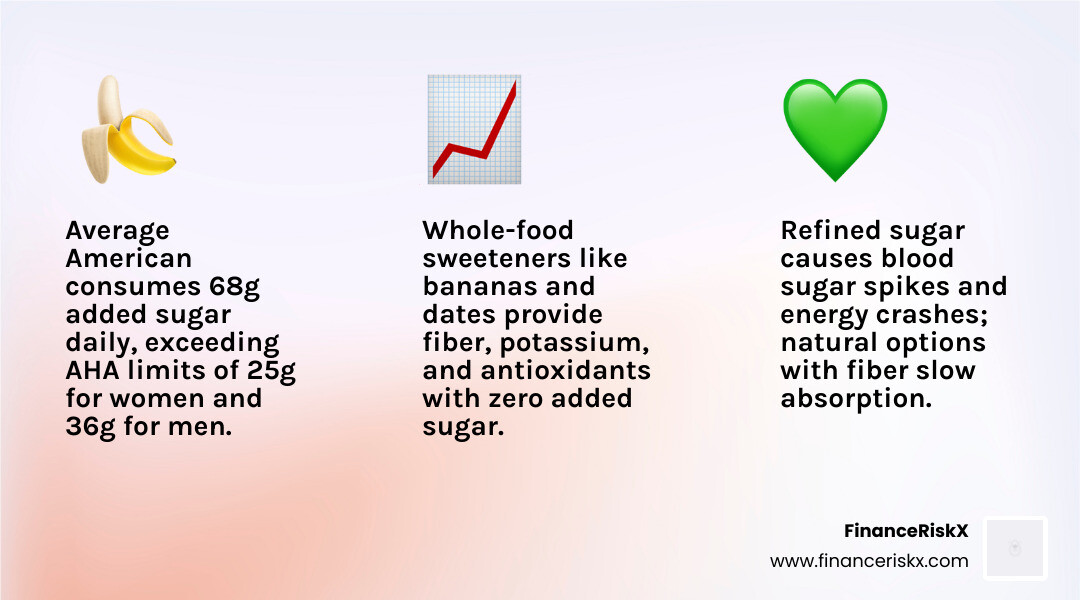
Here’s the reality: the average American consumes around 68 grams of sugar per day. The American Heart Association recommends no more than 25 grams for women and 36 grams for men. A single poorly sweetened smoothie can blow past that limit before breakfast is even over.
The good news? There are genuinely better options — ones that add sweetness and nutrition, without the blood sugar rollercoaster that comes with refined sugar.
Some, like bananas and dates, bring fiber and micronutrients. Others, like stevia and monk fruit, add zero calories and have a glycemic index of 0. And a few familiar favorites — honey and maple syrup — sit somewhere in the middle, offering real nutritional value when used in moderation.
This guide breaks down every major option clearly, so you can choose what fits your body and your blender.
Top Whole-Food Natural Sweetener for Smoothies
When we talk about the absolute gold standard for sweetening a blend, we always look toward whole foods first. Why? Because nature packages its sugars with fiber, which slows down absorption and prevents that mid-morning energy crash.
Ripe Bananas: The Undisputed King
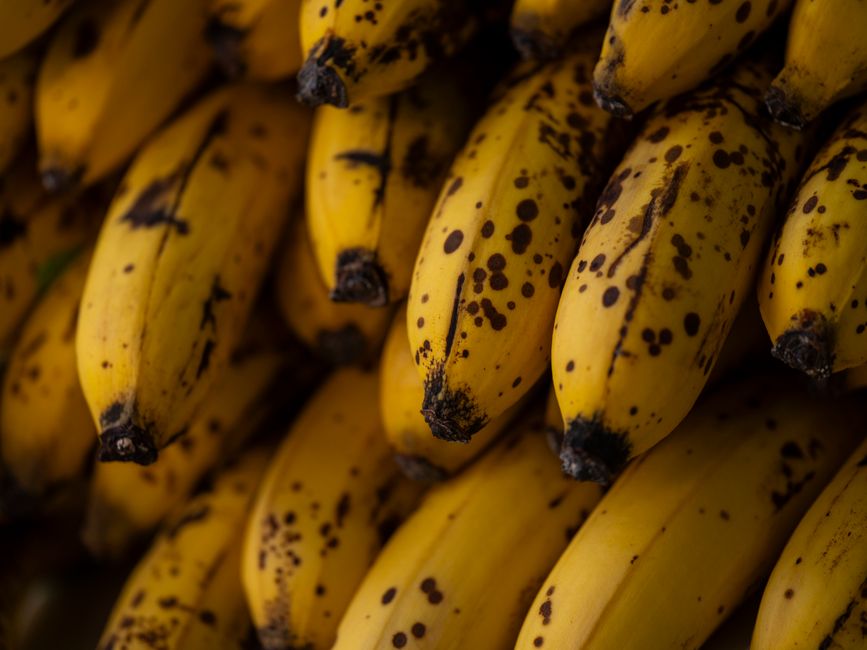
If there were a hall of fame for smoothie ingredients, the humble banana would be the first inductee. As a natural sweetener for smoothies, a ripe banana is hard to beat. As they ripen and develop those little brown “sugar spots,” their starch converts into simple sugars, making them incredibly sweet.
Beyond taste, they provide a creamy, milkshake-like texture that hides the grittiness of kale or protein powder. Nutritionally, you’re getting a solid dose of potassium and vitamin B6. Pro tip: Peel your overripe bananas and freeze them in chunks. Not only does this preserve them, but it also makes your smoothie colder and thicker without needing extra ice.
Medjool Dates: Nature’s Caramel
If you want a deep, rich sweetness that mimics caramel, look no further than Medjool dates. These are a “secret weapon” in the wellness world. Just one or two pitted dates can transform a bitter green smoothie into a treat.
The stats are impressive: dates contain about 8 grams of fiber per serving, which is vital for digestive health. They are also packed with antioxidants and minerals like magnesium. Because they are quite dense, we recommend soaking them in warm water for 5–10 minutes before blending if you don’t have a high-powered blender. This ensures they disappear into the liquid rather than leaving chewy “surprises” at the bottom of your glass. For more on why these whole-food options win, check out our guide on smoothie sweeteners that are healthy.
Choosing a Low-Calorie Natural Sweetener for Smoothies
Sometimes, you want the sweetness without the calories or the carbohydrates. This is especially true for those following a keto lifestyle or managing diabetes. In these cases, high-intensity natural sweeteners are the way to go.
- Stevia: Derived from the Stevia rebaudiana plant, this is a powerhouse. It is 50 to 300 times sweeter than cane sugar but has a glycemic index (GI) of zero. Research shows that eating food with stevia can result in a 15% lower blood glucose level after one hour compared to refined sugar. Just be careful—a little goes a long way, and some people find it has a slightly licorice-like aftertaste.
- Monk Fruit: Also known as luo han guo, this small melon from Southeast Asia is about 250 times sweeter than sugar. Its sweetness comes from unique antioxidants called mogrosides. Many people prefer monk fruit over stevia because it tends to have a “cleaner” taste profile without the bitter finish.
- Allulose: This is a “rare sugar” found naturally in figs and raisins. It tastes and behaves almost exactly like table sugar but contains only about 10% of the calories. It’s a fantastic option for those who want to learn how to make smoothies without sugar while keeping the flavor profile traditional.
Fruit-Based Options vs. Zero-Calorie Alternatives
The choice between a date and a drop of stevia often comes down to your daily “macro” goals. Whole fruits like bananas and dates provide satiety—that feeling of being full—because of their fiber and bulk. When you use a zero-calorie sweetener, your tongue tastes sweetness, but your brain doesn’t receive any actual energy (calories). For some, this can lead to increased hunger later in the day.
However, for blood sugar management, zero-calorie options are superior. While fruit fiber helps, a date still contains significant natural sugar that can impact glucose levels. If you are looking to elevate your morning smoothie for weight loss, you might choose a hybrid approach: half a banana for texture and a pinch of monk fruit for that extra sweet kick.
Liquid Gold: Comparing Honey, Maple Syrup, and Agave
If you prefer a liquid natural sweetener for smoothies, you likely have honey, maple syrup, or agave in your pantry. While these are “added sugars,” they are far less processed than white table sugar and bring their own unique benefits to the table.
| Sweetener | Calories (per tbsp) | Glycemic Index (GI) | Key Nutrients |
|---|---|---|---|
| Raw Honey | 64 | 50–60 | Antioxidants, enzymes, B-vitamins |
| Maple Syrup | 52 | 54 | Manganese, Zinc, Riboflavin |
| Agave Nectar | 60 | 11–19 | B-vitamins, Vitamin K, Prebiotics |
| Refined Sugar | 48 | 65 | None |
Raw Honey
Honey is a medicinal marvel that has been used for centuries. Raw, unprocessed honey contains antioxidants and has antimicrobial properties. In a smoothie, it pairs beautifully with berries or citrus. Because it is quite viscous, we recommend adding it to your liquid base first and giving it a quick pulse to ensure it doesn’t just stick to the side of the blender jar.
Pure Maple Syrup
Don’t confuse this with “pancake syrup” (which is mostly high-fructose corn syrup). Real maple syrup is tapped from trees and boiled down. It is surprisingly high in manganese (great for bone health) and zinc. It has a slightly lower GI than honey and adds a wonderful “autumnal” richness to smoothies containing oats, cinnamon, or nut butters.
Agave Nectar
Agave is often touted for its very low glycemic index, meaning it won’t spike your blood sugar as quickly as other syrups. It’s also vegan-friendly. However, it is very high in fructose, which is processed by the liver. While it contains some prebiotics (fructans) that help gut health, it should be used sparingly. It’s particularly effective in tart smoothies, like those featuring acai or dragon fruit, where you need a neutral sweetness to balance the acidity.
Avoiding Hidden Sugars and Artificial Additives
When shopping for a natural sweetener for smoothies, the label is your best friend. The term “natural” isn’t strictly regulated, so manufacturers can be sneaky.
Many “natural” stevia or monk fruit blends are actually bulked up with erythritol, a sugar alcohol. While erythritol is low-calorie, some recent studies have suggested potential links to cardiovascular risks in certain populations, and it can cause digestive upset if consumed in large amounts.
Always look out for hidden names for refined sugar, such as:
- High-fructose corn syrup (HFCS)
- Cane juice
- Dextrose or Maltodextrin
- Barley malt
If you’re struggling with the taste of your healthy blends, check out our tips to make smoothies taste better without falling into the trap of artificial additives.
Expert Tips for Using a Natural Sweetener for Smoothies
How you add your sweetener is just as important as what you add. Follow these professional blending tips to ensure your smoothie is balanced and delicious every time.
- The Blending Order: Always put your liquids in first, followed by your sweetener (especially if it’s thick like honey or dates), then your greens, and finally your frozen fruit and ice. This ensures the sweetener is fully incorporated and doesn’t get stuck under the blades.
- Start Small: You can always add more, but you can’t take it out. Start with one teaspoon of syrup or half a date, blend, and taste.
- Use Flavor Bridges: Sometimes a smoothie tastes “bland” not because it lacks sugar, but because it lacks depth. Spices like cinnamon and nutmeg trick the brain into perceiving sweetness.
- Add Healthy Fats: A tablespoon of almond butter or a slice of avocado doesn’t just add creaminess; it helps slow down the absorption of the natural sugars you’ve added, providing sustained energy. For more advanced techniques, see our tips to make smoothies taste better-2.
How to Sweeten Smoothies Naturally Without Additives
You don’t always need a bottle or a jar to get that sweet fix. You can use the inherent sugars in vegetables and specific fruits to do the heavy lifting.
- Frozen Fruit Concentration: Frozen fruit is often sweeter than fresh fruit because it is picked at peak ripeness. Using frozen mango or pineapple provides an intense tropical sweetness.
- Sweet Vegetables: Believe it or not, roasted sweet potatoes or beets add a shocking amount of sweetness and a velvety texture to chocolate-based smoothies.
- Coconut Water: Swap your plain water or almond milk for coconut water. It’s naturally sweet and loaded with electrolytes.
- Extracts: A few drops of pure vanilla extract or almond extract can enhance the “sweet” notes of a smoothie without adding a single gram of sugar.
- Aromatic Spices: Ginger adds a spicy “bite” that can mask the bitterness of mature kale, making the fruit flavors pop more.
Frequently Asked Questions about Smoothie Sweeteners
Which natural sweetener is best for diabetics?
For those managing blood sugar, Stevia and Monk Fruit are the top choices. Both have a glycemic index of 0 and do not trigger an insulin response. Allulose is another excellent emerging option, as it may actually help lower blood glucose levels when consumed with other carbs. Always consult with your doctor, but these three allow for a sweet treat without the spike.
How many dates should I add to my smoothie?
Because dates are calorie-dense (about 66 calories per ounce), we recommend starting with 1 to 2 pitted Medjool dates for a standard 16-ounce smoothie. This provides enough sweetness and fiber without turning your breakfast into a high-calorie dessert. If your dates are firm, soak them in warm water for 10 minutes to ensure a smooth consistency.
Why should I avoid agave nectar in large amounts?
While agave has a low GI, it is very high in fructose (sometimes up to 90%). Unlike glucose, which is used by every cell in your body, fructose is processed almost entirely by the liver. Excessive fructose consumption can be linked to fatty liver issues and increased uric acid. It’s a great vegan alternative to honey, but “moderation” is the keyword here.
Conclusion
Finding the right natural sweetener for smoothies is a journey of trial and error. Whether you choose the whole-food fiber of a Medjool date, the mineral-rich drizzle of maple syrup, or the zero-calorie precision of monk fruit, the goal remains the same: creating a drink that nourishes your body while satisfying your palate.
At FinanceRiskX, we believe that health is the ultimate investment. By swapping refined sugars for these natural alternatives, you are making a sustainable choice for your long-term wellness. Remember to prioritize whole foods where possible, balance your sweets with fats and proteins, and don’t be afraid to experiment with spices and extracts.
Ready to take your blending game to the next level? Explore more healthy green smoothie guides to find your new favorite morning ritual. Happy blending!
