
Why Natural Sweeteners for Smoothies Beat Refined Sugar
Natural sweeteners for smoothies are a smarter swap for refined sugar — they add sweetness while also delivering nutrients, fiber, and a lower blood sugar impact.
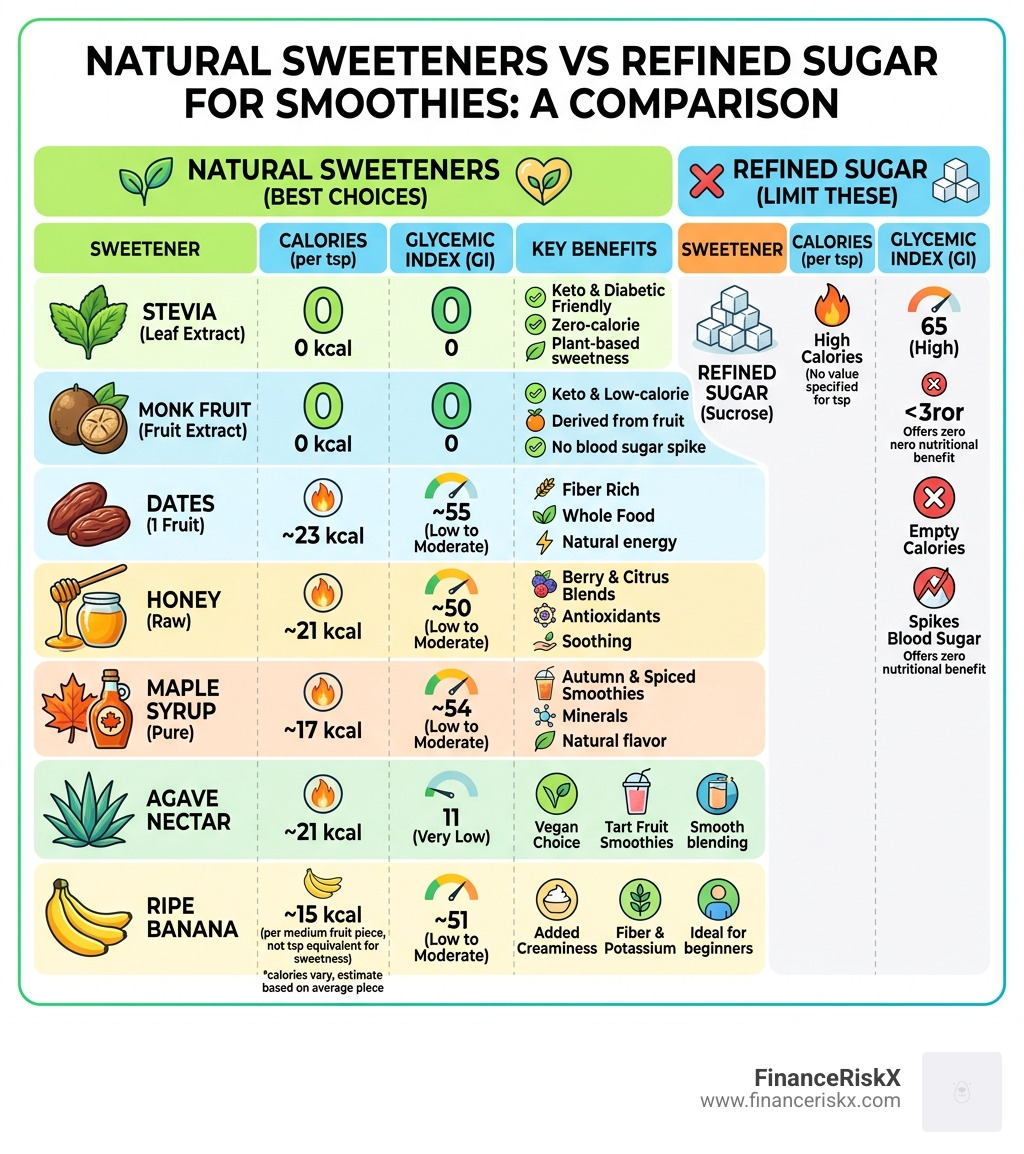
Here are the top options at a glance:
| Sweetener | Calories (per tsp) | Glycemic Index | Best For |
|---|---|---|---|
| Stevia | 0 | 0 | Keto, diabetic-friendly |
| Monk fruit | 0 | 0 | Keto, low-calorie |
| Dates (1 date) | ~23 | ~55 | Fiber, whole-food fans |
| Honey | 21 | ~50 | Berry and citrus blends |
| Maple syrup | ~17 | ~54 | Autumn and spiced smoothies |
| Agave nectar | ~21 | 11 | Vegan, tart fruit smoothies |
| Ripe banana | ~15 | ~51 | Creaminess, beginners |
Refined sugar (sucrose) has a glycemic index of 65 and offers zero nutritional benefit.
Most smoothie lovers hit the same wall: the drink looks healthy, but it tastes flat or bitter. The fix is usually sugar — but refined sugar spikes your blood glucose and adds empty calories.
The good news? Nature already built better options.
Whole fruits, plant-based syrups, and zero-calorie leaf extracts can all sweeten your smoothie without the downsides of table sugar. Some even add fiber, antioxidants, and vitamins that your body actually uses.
Whether you’re managing blood sugar, eating keto, or just want a tastier morning blend, there’s a natural sweetener that fits your needs. This guide breaks them all down — with real comparisons, blending tips, and flavor pairings — so you can choose with confidence.
Top Natural Sweeteners for Smoothies Compared
When we look at the landscape of sweeteners, it is easy to get lost in marketing jargon. However, the numbers don’t lie. Refined white sugar (sucrose) sits at a glycemic index (GI) of 65. This means it enters your bloodstream rapidly, causing a sharp spike in insulin that often leads to an energy crash later.
In contrast, many natural sweeteners for smoothies offer a much gentler curve. For instance, agave nectar has a remarkably low GI of 11, while zero-calorie options like stevia and monk fruit don’t affect blood sugar levels at all. According to research from GoodRx, choosing unrefined options can provide trace minerals and antioxidants that refined sugar simply lacks.
We also have to consider the “sweetness factor.” Stevia can be 50 to 300 times sweeter than cane sugar, and monk fruit is about 250 times sweeter. This means you only need a tiny fraction of the amount to achieve the same result. If you are looking for a deeper dive into which options are truly the best for your body, check out our guide on smoothie sweeteners that are healthy.
Whole Food Sweeteners: Fiber-Rich Dates and Bananas
If you want to keep your smoothie as close to nature as possible, whole food sweeteners are the gold standard. Unlike syrups or extracts, these options come with the fiber still intact. Fiber is the “brakes” for sugar; it slows down digestion and ensures that the natural fructose doesn’t hit your liver all at once.
Medjool Dates: Nature’s Caramel
Dates are often called “nature’s caramel” for a reason. They have a rich, sticky, toffee-like flavor that blends beautifully into chocolate or nut-based smoothies. Nutritionally, they are powerhouses. A serving of dates can contain up to 8 grams of fiber, which is incredible for digestive health. They also provide essential minerals like potassium and magnesium.
- Pro Tip: If your dates feel a bit firm, soak them in warm water for 5–10 minutes before tossing them in the blender. This ensures they emulsify perfectly into the liquid rather than leaving chewy chunks at the bottom of your glass.
Ripe Bananas: The Creaminess King
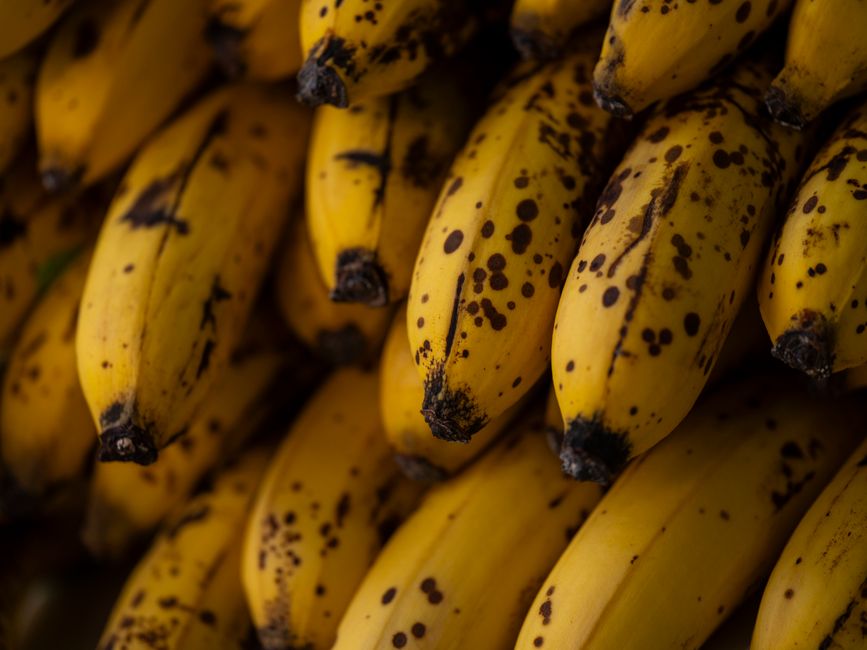
The humble banana is perhaps the most popular of all natural sweeteners for smoothies. As a banana ripens and develops those little brown spots, its starch converts into simple sugars, making it sweeter.
Using frozen bananas is a total game-changer for texture. When blended, frozen bananas take on a consistency very similar to soft-serve ice cream. This adds a luxurious creaminess without the need for dairy or heavy fats. Plus, you get a healthy dose of Vitamin B6 and potassium in every sip. If you’re curious about mastering the art of the sugar-free blend, see our tips on how to make smoothies without sugar.
Zero-Calorie and Keto-Friendly Alternatives
For those of us watching our weight or following a strict ketogenic diet, even the natural sugars in fruit can sometimes be too much. This is where high-intensity natural sweeteners come into play. These are derived from plants but contain zero calories and have no impact on blood glucose.
- Stevia (Stevia rebaudiana): Extracted from the leaves of the stevia plant, this is a staple for many. It is roughly 200 times sweeter than sugar. While some people notice a slight bitter aftertaste, using high-quality liquid drops can often mitigate this.
- Monk Fruit: Derived from a small melon native to Southeast Asia, monk fruit gets its sweetness from unique antioxidants called mogrosides. Many people find it has a “cleaner” taste than stevia, making it a favorite for masking the bitterness of leafy greens.
- Allulose: This is a “rare sugar” found naturally in figs and raisins. It contains only about 10% of the calories found in regular sugar but behaves very similarly in terms of taste and texture.
It is important to read labels carefully, though. Many powdered versions of these sweeteners contain “bulking agents” like erythritol. While generally safe, some recent research has suggested potential heart risks for those with pre-existing conditions if consumed in very high amounts. Always aim for the purest form available. You can learn more about how these elevate your drinks at Yahoo Lifestyle.
Best Natural Sweeteners for Smoothies on a Keto Diet
On keto, your goal is to keep net carbs as low as possible. Pure monk fruit and liquid stevia drops are the winners here. They allow you to enjoy a “Strawberry Avocado” blend that tastes like a dessert but keeps you firmly in ketosis. Since they have a zero glycemic index, they won’t trigger the insulin response that halts fat burning.
Managing Blood Sugar with Natural Sweeteners for Smoothies
For those managing diabetes, choosing the right sweetener is about more than just calories—it’s about the insulin response.
- Blackberry Leaf: An emerging star in the health world, blackberry leaf sweetener is nearly 100 times as sweet as cane sugar but has a glycemic index of zero.
- Yacon Syrup: Extracted from the roots of the yacon plant, this syrup contains fructooligosaccharides, which act as prebiotics. This means they feed the “good” bacteria in your gut while having a very minimal impact on blood sugar.
Liquid Sweeteners: Honey, Maple, and Agave
Sometimes you just need a quick drizzle of something sweet to balance out a tart batch of berries. Liquid natural sweeteners for smoothies are convenient because they dissolve instantly, even in cold temperatures.
Raw Honey
Honey is much more than just sugar. Raw honey contains enzymes, antioxidants, and antibacterial properties. While it is calorie-dense (about 21 calories per teaspoon compared to 16 for white sugar), its flavor profile is incredibly complex. Depending on the flowers the bees visited, honey can taste floral, earthy, or even spicy.
Maple Syrup
Pure maple syrup (not the “pancake syrup” filled with high-fructose corn syrup!) is a fantastic unrefined option. It is rich in manganese and zinc. For smoothies, we recommend the “Golden” or “Amber” grades, as they have a lighter flavor that won’t overpower your fruit.
Agave Nectar
Agave is a favorite for vegans who don’t eat honey. It has a GI of 11, which is significantly lower than honey or maple syrup. It also contains fructans, which have been linked to improved metabolism and gut health. Because agave is thinner than honey, it blends effortlessly into cold liquids.
Pairing Natural Sweeteners for Smoothies with Specific Fruits
Matching your sweetener to your fruit can take your smoothie from “okay” to “gourmet.”
- Clover Honey: Its mild, floral notes are perfect for Peanut Butter and Banana blends.
- Orange Blossom Honey: Pairs beautifully with citrus or bright berry blends.
- Maple Syrup: The best choice for “autumn” smoothies involving pumpkin, cinnamon, or oats.
- Agave Nectar: Its neutral sweetness is excellent for cutting the tartness of blackberries or cranberries without adding a distinct “syrup” flavor.
Pro Tips for Blending and Flavor Balance
Achieving the perfect smoothie is an art form. It’s not just about what you put in, but how you put it in.
- The Blending Order: Always put your liquids in first, followed by your sweeteners and powders, then your greens, and finally your frozen solids. This ensures the sweetener is fully incorporated and doesn’t get stuck to the lid or the sides.
- Masking Bitterness: If you are making a green smoothie with kale or spinach, use “masking” fruits like pineapple or mango. A few drops of vanilla extract or a pinch of cinnamon can also trick the brain into perceiving more sweetness than is actually there.
- Use Baby Greens: Mature kale can be very bitter. We suggest using baby spinach or baby kale for a much milder flavor that requires less sweetener.
- Salt is the Secret: A tiny, tiny pinch of sea salt can actually enhance the sweetness of your fruit and counteract any bitter notes from greens.
For more technical advice on getting the texture just right, visit our guide on how to make smoothies without sugar.
Frequently Asked Questions
Which natural sweetener is best for diabetics?
Stevia and monk fruit are generally considered the best options because they have a glycemic index of zero and do not cause blood sugar spikes. Allulose is also a strong contender as it may actually help lower blood sugar levels in some cases. However, always consult with your doctor before making significant changes to your diet.
How do I make a green smoothie taste less bitter?
The best way to counter bitterness is to use a combination of a creamy base (like avocado or frozen banana) and a high-acid fruit (like pineapple or lemon juice). Adding a natural sweetener like dates or a few drops of monk fruit can also bridge the gap between the “earthy” greens and the sweet fruit.
Can I use applesauce to sweeten a smoothie?
Yes! Unsweetened applesauce is a great way to add volume and a mild sweetness. It works particularly well in “apple pie” style smoothies with oats and cinnamon. About 1/4 cup of applesauce can replace a small banana or a tablespoon of liquid sweetener.
Conclusion
At FinanceRiskX, we believe that healthy habits should be sustainable and, most importantly, delicious. You don’t have to choose between a “sugar bomb” and a bitter green drink. By utilizing natural sweeteners for smoothies like dates, honey, or monk fruit, you can create a breakfast or snack that fuels your body and satisfies your cravings.
Experiment with different pairings, try out some spices like cardamom or nutmeg, and don’t be afraid to go “bananas” with your frozen fruit. Your taste buds—and your blood sugar—will thank you.
For more tips on building a better lifestyle, explore our more info about healthy smoothie sweeteners.
