
Why Personal Blender Cup Size Is the First Decision You Should Make
Personal blender cup size determines how much you can blend at once — and it affects everything from blending performance to whether your cup fits in a car cup holder.
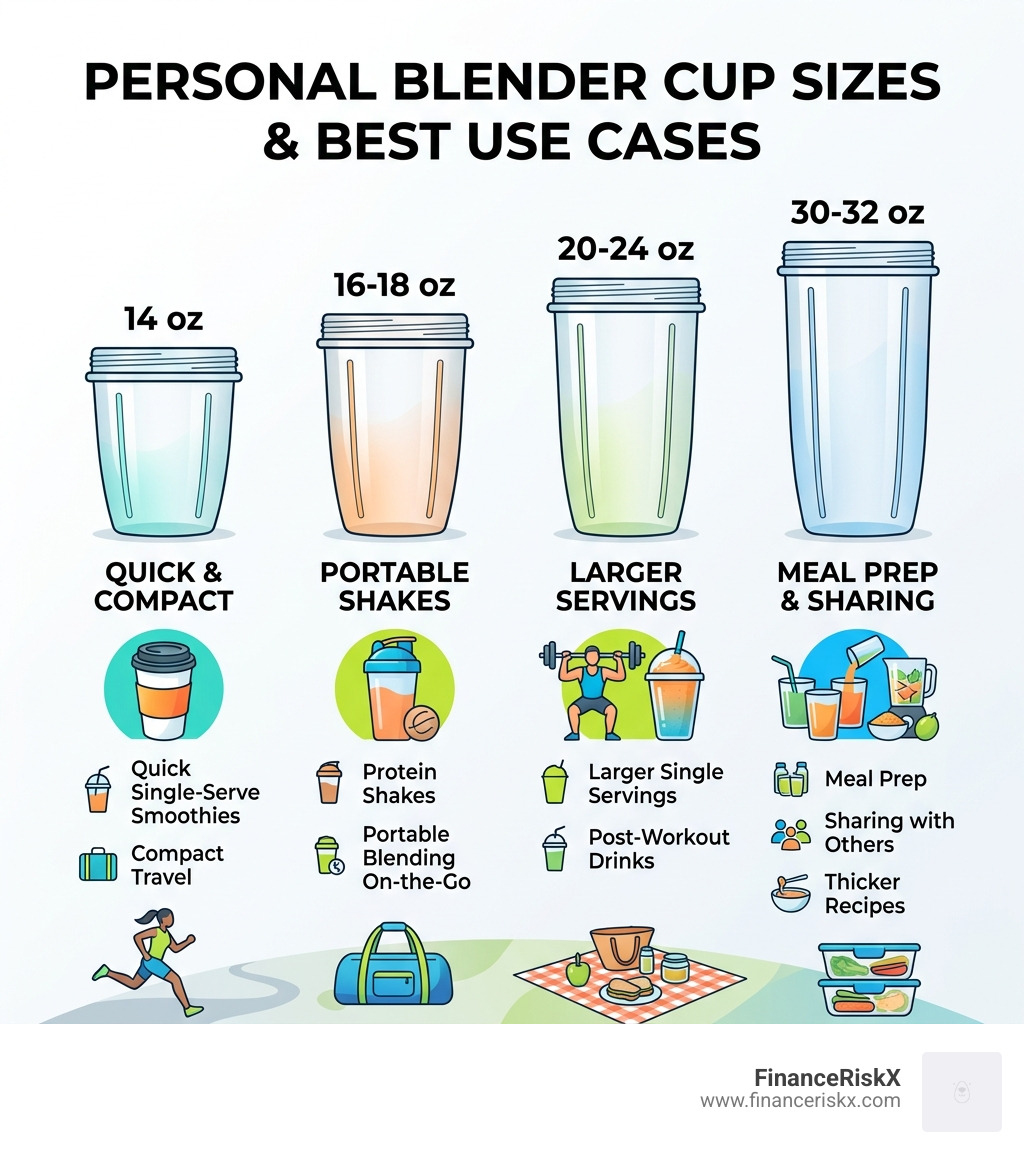
Here’s a quick reference to the most common sizes and what they’re best for:
| Cup Size | Best For |
|---|---|
| 14 oz | Quick single-serve smoothies, compact travel |
| 16-18 oz | Protein shakes, portable blending on the go |
| 20-24 oz | Larger single servings, post-workout drinks |
| 30-32 oz | Meal prep, sharing, thicker recipes |
Most personal blenders fall in the 14 oz to 32 oz range. The sweet spot for a single-serve smoothie or protein shake is usually 16 to 24 oz.
Picking the wrong size is a surprisingly common mistake. A cup that’s too small means you’re short on your morning shake. Too large, and you may get uneven blending — or a cup that simply won’t fit your car’s cup holder.
The good news? Once you know what size fits your routine, buying in bulk becomes straightforward and cost-effective.
This guide breaks down every major size, compares top options, and helps you match the right cup to your lifestyle.
Understanding Standard Personal Blender Cup Size Options
When we look at the market today, the variety in personal blender cup size can be overwhelming. However, most manufacturers have settled into a few standard tiers. Understanding these can help you decide whether you need a compact 14 oz jar or a beefy 32 oz vessel.
The 14 oz to 16 oz Tier: The Ultra-Portable
The 14-ounce size, popularized by leading manufacturers, is the classic “blend and go” size. It’s specifically designed for a single, standard-sized smoothie. Similarly, the 16 oz size (found in many original portable models) is a favorite for those who prioritize space-saving. These cups are often narrower, making them the most likely to fit into any car cup holder.
The 18 oz to 20 oz Tier: The Goldilocks Zone
Many modern portable blenders have moved toward the 18 oz to 20 oz range. This size offers just enough extra room to add a scoop of protein powder and a handful of spinach without hitting the “max fill” line too early.
The 24 oz Tier: The Athlete’s Choice
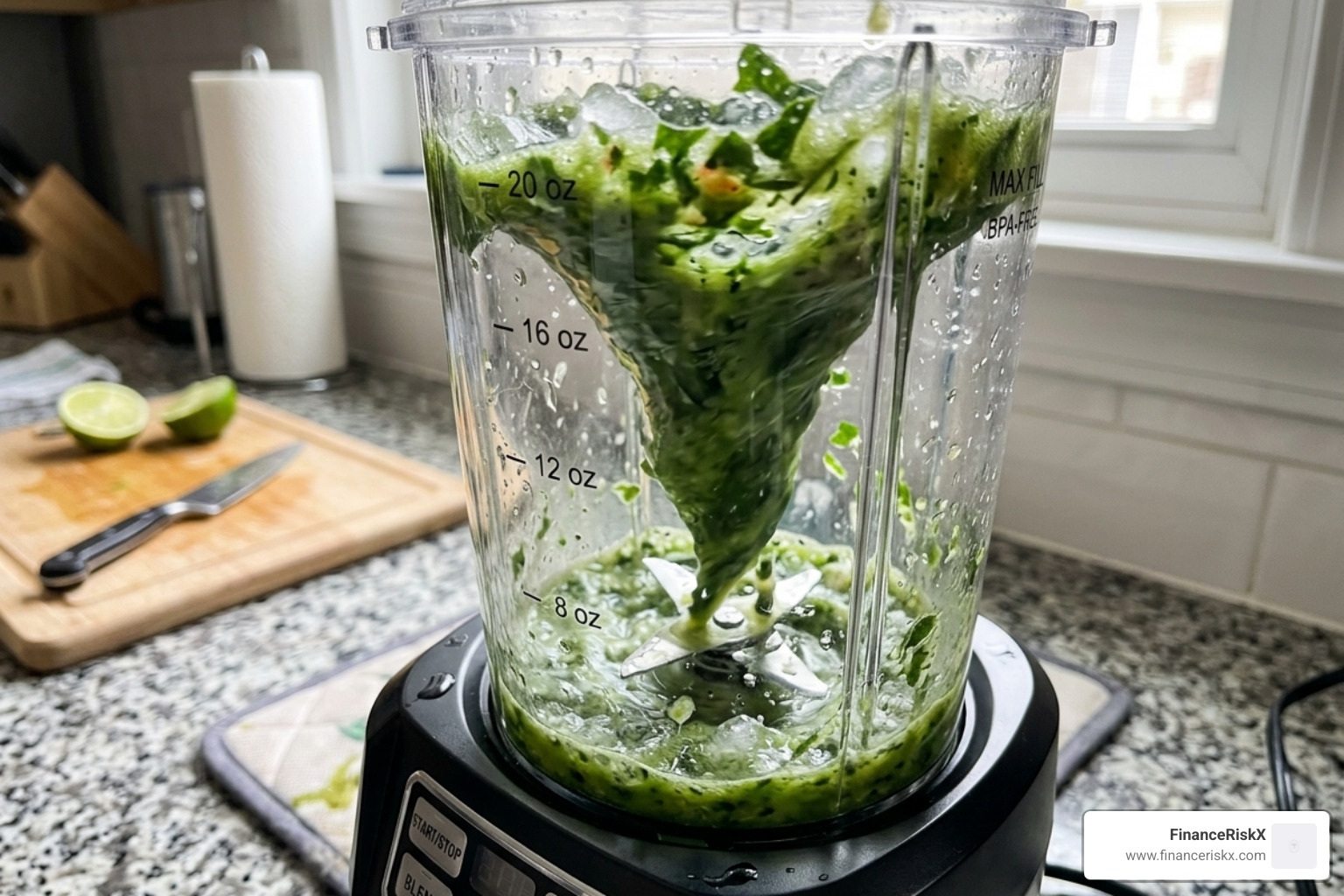
The 24 oz single-serve cup is a staple for high-performance personal blending systems. It is often considered the ideal size for a meal-replacement shake. These cups usually feature clear volume markings and a very distinct max fill line to ensure the motor isn’t strained during high-speed extraction.
The 30 oz to 32 oz Tier: The “Personal Plus”
While technically still “personal,” these larger vessels (like the professional-grade 32 oz cups or 30 oz bottles) are designed for those who want a massive green juice or need to blend a small batch for two people.
| Feature | 14-16 oz Cups | 20-24 oz Cups | 30-32 oz Cups |
|---|---|---|---|
| Primary Use | Quick snacks, kids | Meal replacements | Meal prep, sharing |
| Portability | High (fits all holders) | Moderate | Low (often too wide) |
| Max Fill Line | Very Close to Top | Generous Headroom | Significant Volume |
Performance Factors: How Volume Affects Your Blend
It isn’t just about how much liquid you can hold; the personal blender cup size directly impacts the physics of the blend. If you’ve ever ended up with a “protein pocket” of dry powder at the bottom of your cup, size and shape were likely the culprits.
Ingredient Circulation and the Vortex Effect
For a smooth blend, ingredients need to be pulled down into the blades, creating a vortex. In a smaller 14 oz cup, the ingredients are closer to the blades, which is great for soft fruits but can be tricky for ice. In a larger 24 oz vessel, there is more room for a powerful vortex to form, which helps in crushing ice and handling frozen fruit more effectively.
Motor Strain and Air Pockets
If you pack a small cup too tightly, you create air pockets. Without enough liquid or “room to move,” the blades spin in a vacuum, which can overheat the motor. Conversely, using a 32 oz cup for a very small amount of dressing can cause the ingredients to splash against the walls and stay there, away from the blades.
Thick Ingredients
When making thick recipes like nut butters or hummus, a mid-sized cup (around 18-20 oz) is often superior. It provides enough space for the ingredients to tumble but keeps them close enough to the blades to maintain a consistent texture.
Portability and Design: Beyond the Ounces
A personal blender cup size might look great on your counter, but how does it behave once you leave the kitchen?
- Car Cup Holders: This is the ultimate test of portability. Most standard cup holders are designed for 12-20 oz tapered cups. Once you move into the 24 oz or 32 oz “pro” sizes, the base of the cup often becomes too wide to sit securely, leading to spills during your morning commute.
- Material Quality: Most high-quality personal cups are made from shatterproof Tritan plastic. This material is BPA-free and designed to withstand the high-pressure environment of blending frozen ingredients without cracking.
- Travel Lids and Seals: A larger cup size often requires a more robust seal. Look for “flip-top” or “snap-spout” lids that are specifically marketed as leak-proof. Some premium brands even offer a Personal Cup Adapter that uses double-insulated 20-ounce cups to keep your drinks cold for hours.
- Storage Space: If you have a small apartment, three 32-ounce cups will take up significantly more cabinet real estate than a set of 16-ounce jars.
Selecting the Ideal Personal Blender Cup Size for Your Lifestyle
Choosing the right size is about matching your daily habits to the vessel’s capacity.
Small vs. Large Personal Blender Cup Size for Daily Use
For the minimalist, a 14-ounce jar is often plenty. It’s the perfect size for portion-controlled smoothies or whipping up a quick batch of baby food. If you are a dedicated gym-goer, however, you will likely find 14 oz too restrictive for a post-workout shake that includes milk, protein powder, fruit, and ice. In that case, an 18-ounce to 24-ounce travel cup provides the necessary “headroom” for a frothier blend.
Matching Your Recipe to the Right Personal Blender Cup Size
Not everything you blend is a drink.
- Sauces and Dips: A small 8 oz or 12 oz “short cup” (common in many starter sets) is better for garlic aioli or pesto.
- Thick Lattes: A 16 oz cup is usually sufficient for frothing bulletproof coffee or lattes.
- Meal Prep: If you are blending a base for a family soup or a large batch of salsa, you’ll want the 32-ounce pitcher or “sauce vessel” options provided by various high-capacity manufacturers.
Maintenance and Longevity of Blending Vessels
To keep your cups in top shape, you need to look beyond the ounces and focus on the “how.”
- Dishwasher Safety: Most modern personal blender cup size options are top-rack dishwasher safe. However, the blade assemblies should often be hand-washed to maintain the integrity of the seals and the sharpness of the stainless steel.
- Self-Cleaning Modes: Some high-end personal blenders feature a self-cleaning cycle. You simply add a drop of soap and warm water to the vessel and blend for 30-45 seconds.
- Seal Durability: Over time, the rubber gaskets in the lids of larger 24-32 oz cups can wear down due to the higher pressure of the blend. Inspect these regularly to prevent leaks.
- BPA-Free Materials: Ensure your cups are made from non-toxic materials. Many brands now highlight that their vessels are made without PFAS, PTFEs, or PFOAs.
Frequently Asked Questions about Personal Blender Cup Size
Can I overfill my blender cup if I need a larger portion?
Absolutely not. Overfilling a personal blender cup is the fastest way to blow out the motor or cause a “smoothie explosion” in your kitchen. Always stay below the “Max Fill” line to allow the ingredients enough room to circulate and create a proper vortex.
Do larger cups leave more unblended chunks than smaller ones?
Sometimes. If you use a 32 oz cup with a low-wattage motor (under 600 watts), the blades may struggle to pull ingredients from the very top of the cup down to the bottom. For larger cups, a motor of 900-1200 watts is recommended to ensure a smooth consistency.
Are different sized cups from the same brand interchangeable?
In many cases, yes, but you must check the specific series. For example, most cups within a specific product line are interchangeable, but they won’t fit different series from the same manufacturer. Always verify compatibility before buying replacement cups in bulk.
Conclusion
At FinanceRiskX, we believe that efficiency starts with having the right tools for the job. Choosing the correct personal blender cup size is about more than just volume; it’s about ensuring portion accuracy, durability, and a frustration-free morning routine.
Whether you are looking for a compact 14 oz jar for your office desk or a 32 oz vessel for serious meal prep, understanding these capacities will help you blend smarter. For more tips on getting your nutrition right, check out the perfect smoothie portion size guide to ensure you’re filling those cups with exactly what your body needs.
