
Why Your Smoothie Doesn’t Need Sugar to Taste Amazing
How to make a smoothie sweeter without sugar is easier than most people think. Here are the quickest ways to do it:
- Use ripe or frozen fruit – bananas, mango, or pineapple work best
- Add 1-2 Medjool dates – pit them first, soak if they’re dry
- Try stevia or monk fruit – zero calories, plant-based sweeteners
- Blend in sweet vegetables – carrots, beets, or roasted sweet potato
- Use spices – cinnamon or nutmeg trick your brain into tasting more sweetness
- Add vanilla extract – just a small dash goes a long way
- Swap juice for coconut water – natural sweetness with fewer calories
Smoothies are one of the easiest ways to pack nutrients into a single drink. But there’s a catch: they can quietly become sugar bombs if you’re not careful about what goes in.
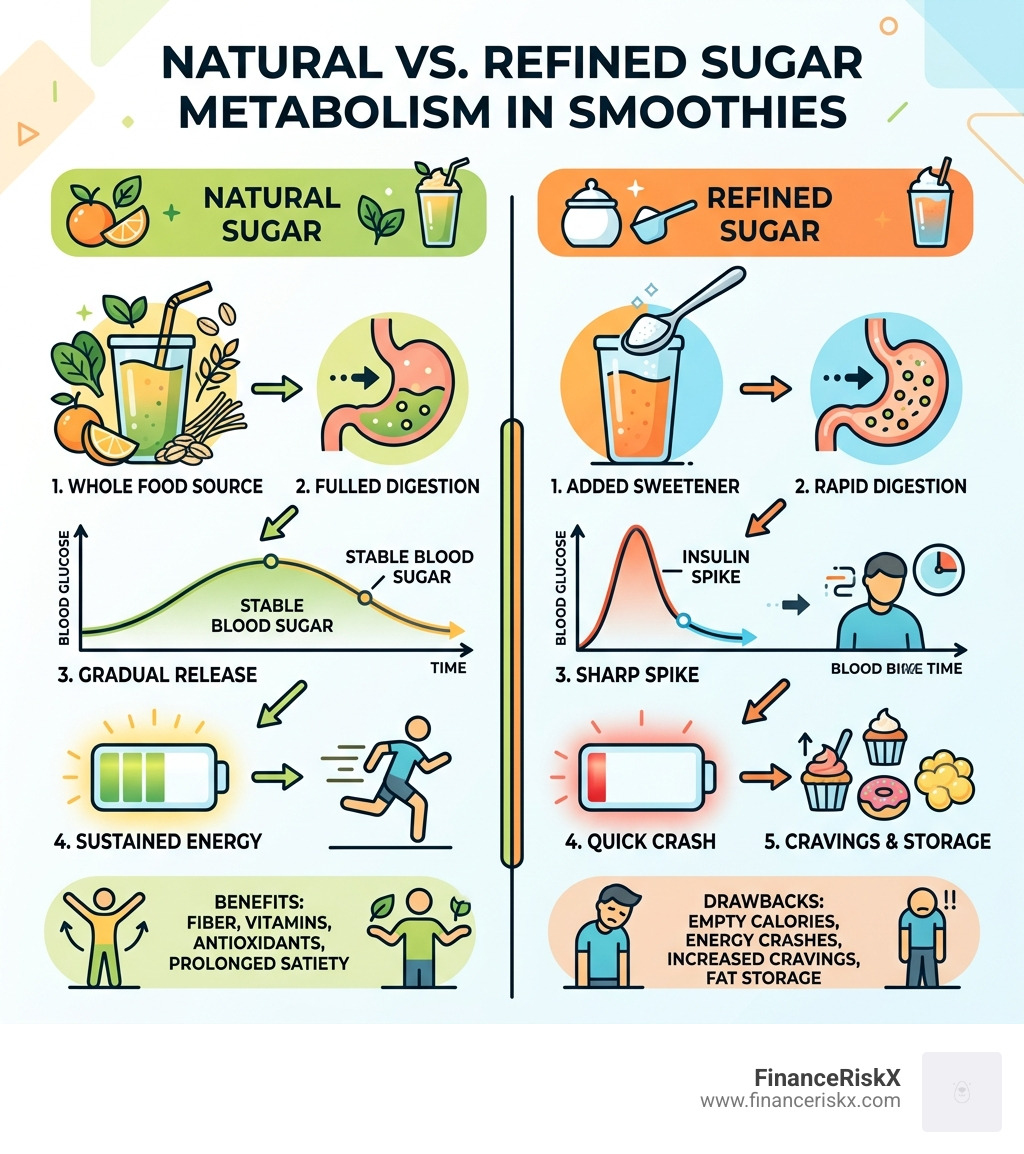
Refined sugar adds empty calories and causes blood sugar spikes. The good news? Nature already built sweetness into dozens of whole foods — no white sugar needed.
The global smoothie market hit $9.84 billion in 2020. That’s a lot of blending. But not all smoothies are created equal. Many store-bought and homemade versions rely on added sugars to taste good, which defeats the health purpose entirely.
The goal here is simple: real sweetness, real ingredients, zero refined sugar.
The Best Natural Fruits to Sweeten a Smoothie Without Sugar
When we talk about how to make a smoothie sweeter without sugar, our first stop is always the fruit basket. However, not all fruits are created equal in the sweetness department. Some are nature’s candy, while others are more subtle.

Understanding Fruit Sugar Content
If you are watching your glycemic load, it helps to know which fruits pack the most punch. For example, mangoes contain 22.5 grams of sugar per 1 cup, making them one of the most effective natural sweeteners available. On the other end of the spectrum, strawberries contain only 7.4 grams of sugar per 1 cup, offering a lighter sweetness with a tart kick.
Here is a quick look at how common smoothie fruits stack up:
| Fruit (1 Cup) | Sugar Content (Grams) |
|---|---|
| Raspberries | 5.4g |
| Blackberries | 7.0g |
| Strawberries | 7.4g |
| Watermelon | 9.4g |
| Blueberries | 14.7g |
| Pineapple | 16.3g |
| Bananas | 18.3g |
| Mangoes | 22.5g |
Whole Fruit vs. Fruit Juice
One of the most important tips to make smoothies taste better is to choose whole fruits over fruit juice. While juice might seem like an easy liquid base, it often lacks the fiber found in the whole plant. Fiber is crucial because it slows down the absorption of sugar into your bloodstream, preventing that energy crash.
When we use the whole fruit, we get the vitamins, minerals, and antioxidants in their complete package. If you’re looking for how to make a smoothie sweet without added sugar, sticking to the whole food is the gold standard. For more ideas on healthy additions, check out our guide on smoothie sweeteners that are healthy.
Using Ripe Bananas: How to Make a Smoothie Sweeter Without Sugar
The humble banana is the undisputed king of the smoothie world. But there is a secret: the riper the banana, the sweeter the smoothie. We look for bananas with plenty of brown spots. These spots indicate that the starches have converted into natural sugars, providing a caramel-like sweetness and a velvety, creamy texture.
Pro Tip: Don’t let those overripe bananas go to waste! Peel them, break them into chunks, and freeze them in a reusable bag. Using frozen bananas eliminates the need for ice, which can often water down the flavor of your drink.
Tropical Additions: Mango and Pineapple
If you want a “vacation in a glass,” mango and pineapple are your best friends. Frozen mango chunks blend into a thick, sorbet-like consistency that is naturally very high in fructose.
Pineapple is another heavy hitter. Beyond its sweetness, pineapple contains bromelain, an enzyme that aids in digestion. If you are using canned pineapple, ensure it is packed in its own juice rather than heavy syrup to avoid hidden refined sugars. Even better, use the juice from the can as a portion of your liquid base for an extra flavor boost without the “added sugar” label.
How to Make a Smoothie Sweeter Without Sugar Using Pantry Staples
Sometimes the fruit isn’t enough, or perhaps you’re making a green smoothie that needs a bit more “masking” power. This is where your pantry comes into play.
The Magic of Medjool Dates
Medjool dates are often called “nature’s caramel” for a reason. One Medjool date contains about 16 grams of sugar, which is roughly equivalent to a heaped tablespoon of refined white sugar — but with the added benefit of fiber, potassium, and magnesium.
To use them effectively:
- Pit them: Always double-check for the pit inside!
- Soak them: If your dates feel a bit tough or dry, soak them in hot water for about 10 minutes before blending. This helps them break down completely so you don’t end up with chewy bits at the bottom of your straw.
- Start small: Usually, 1 or 2 dates are plenty for a standard 16-ounce smoothie.
If you’re curious about other natural options, you might wonder what is the healthiest alternative to sugar for your morning blend. Dates are high on the list, but there are even more ways how to make smoothies without sugar using items you likely already have.
Stevia and Monk Fruit: How to Make a Smoothie Sweeter Without Sugar
For those of us strictly watching calories or managing blood sugar levels, plant-based zero-calorie sweeteners are a game changer.
- Stevia: Derived from the leaves of the Stevia rebaudiana plant, it is much sweeter than sugar. A few drops of liquid stevia can transform a bitter kale smoothie into a treat. Be careful, though — using too much can leave a slightly metallic aftertaste.
- Monk Fruit: This sweetener comes from a small melon found in Southeast Asia. Its sweetness comes from unique antioxidants called mogrosides. Many people find monk fruit has a cleaner taste than stevia, making it a favorite for those sensitive to aftertastes.
- Erythritol: Often found in blends with monk fruit or stevia, this sugar alcohol is about 70% as sweet as sugar but has almost zero calories and doesn’t cause the same digestive upset as other sugar alcohols because 90% of it is absorbed before it reaches the colon.
According to the guide on Simple Ways to Enhance Flavor: How to Make Smoothies Sweeter – Love Life Eat, these alternatives allow you to reach peak sweetness without the caloric baggage.
Spices and Natural Syrups
Did you know you can trick your brain into thinking something is sweeter than it actually is? Warming spices like cinnamon, nutmeg, and cardamom have aromatic properties that we naturally associate with sweet treats like cookies and pies. Adding a teaspoon of cinnamon not only enhances the perceived sweetness but also helps regulate blood sugar.
If you need a “booster,” natural syrups like honey or maple syrup are options, but they should be used sparingly. While they are “natural,” they are still nutritive sweeteners that impact blood sugar. We recommend a limit of one teaspoon if you’re using them as a supplement to fruit. You can learn more about these in our article on liquid gold and coconut sugar: the best ways to sweeten your sips.
Balancing Flavors: How to Make a Green Smoothie Taste Sweeter
We’ve all been there: you blend up a beautiful green smoothie, take a sip, and it tastes like… grass. Learning how to make a smoothie sweeter without sugar is especially vital when dealing with leafy greens.
The 60/40 Rule
If you are new to green smoothies, don’t start with a cup of straight kale. Use the 60/40 ratio: 60% sweet fruits and 40% leafy greens. As your palate adjusts, you can gradually increase the greens.
Also, choose your greens wisely. Baby spinach is much milder and easier to “hide” than kale or Swiss chard. If you do use kale, remove the tough stems, which carry most of the bitterness.
Creamy Bases and Healthy Fats
Fat is a flavor carrier. By adding a creamy element, you can mellow out the sharp notes of vegetables.
- Avocado: Adds a silky texture and healthy fats without a strong flavor.
- Nut Butters: A tablespoon of almond or peanut butter adds richness and a hint of natural sweetness. Just check the label to ensure there’s no added sugar!
- Coconut Water: This is a fantastic liquid base. It contains natural electrolytes and a subtle sweetness with far fewer calories than orange or apple juice.
Sweetening with Vegetables
It might sound strange, but vegetables can actually help with how to make a smoothie sweeter without sugar.
- Carrots: Naturally high in sugar and pair perfectly with orange or ginger flavors.
- Beets: Provide an earthy sweetness and a vibrant pink color.
- Roasted Sweet Potato: If you have leftovers, throw half a cup in! It creates a “pie-like” flavor and incredible creaminess.
- Zucchini or Cauliflower: While not “sweet” themselves, frozen zucchini or steamed-then-frozen cauliflower add bulk and creaminess without any sugar at all, allowing the fruit flavors to shine.
For more tips on refining your technique, see our additional tips to make smoothies taste better guide.
Flavor Enhancers and Acids
Sometimes a smoothie isn’t “bland” because it lacks sugar; it’s bland because it lacks balance.
- Acid: A squeeze of lemon or lime juice can “brighten” the flavors and cut through the bitterness of greens.
- Salt: A tiny pinch of sea salt can actually enhance the natural sweetness of the fruit.
- Vanilla Extract: Using a high-quality vanilla or almond extract tricks the senses. Because we associate vanilla with dessert, a dash of it makes the whole drink feel more indulgent.
Frequently Asked Questions about Sugar-Free Smoothies
How many dates should I use to sweeten a smoothie?
For a standard 16-ounce (approx. 500ml) smoothie, we recommend starting with 1 to 2 Medjool dates. Because they are so fiber-rich, they won’t spike your sugar as quickly as table sugar, but they are still calorie-dense. If you use smaller Deglet Noor dates, you might need 3 or 4. Always remember to remove the pits!
What common ingredients should I avoid to keep smoothies low in sugar?
To keep your blend truly healthy, steer clear of:
- Flavored Yogurts: These are often packed with 15-20 grams of added sugar per serving. Opt for plain Greek yogurt instead.
- Fruit Juice Concentrates: These are essentially liquid sugar without the fiber.
- Sweetened Nut Milks: Always look for the word “Unsweetened” on the carton of your almond, soy, or oat milk.
- Refined Sugar and HFCS: These add empty calories and contribute to inflammation.
Per the FDA definition, a food must contain less than 0.5g of sugar per serving to be considered “sugar-free.” By using whole fruits, you are consuming “naturally occurring” sugars, which are generally considered much healthier in moderation.
Can I use honey or maple syrup in smoothies?
Yes, you can, but they are “nutritive sweeteners.” This means they contain calories and carbohydrates that the body processes similarly to sugar. While honey has antibacterial properties and maple syrup contains antioxidants, they can still cause blood sugar spikes. If you use them, we suggest a 1 teaspoon limit per serving.
Conclusion
At FinanceRiskX, we believe that a healthy lifestyle doesn’t have to be a bland one. Learning how to make a smoothie sweeter without sugar is a vital skill for anyone looking to reduce their refined sugar intake while still enjoying their favorite breakfast or snack.
By leveraging the power of overripe fruits, pantry staples like dates and cinnamon, and zero-calorie options like monk fruit, you can create “mouth-watering masterpieces” that fuel your body without the sugar crash. Whether you are managing your weight, balancing your blood sugar, or just trying to get your kids to eat more spinach, these tricks will help you blend with confidence.
Ready to take your blending to the next level? Check out more info about healthy smoothie sweeteners and start your journey toward a guilt-free sip today!
